

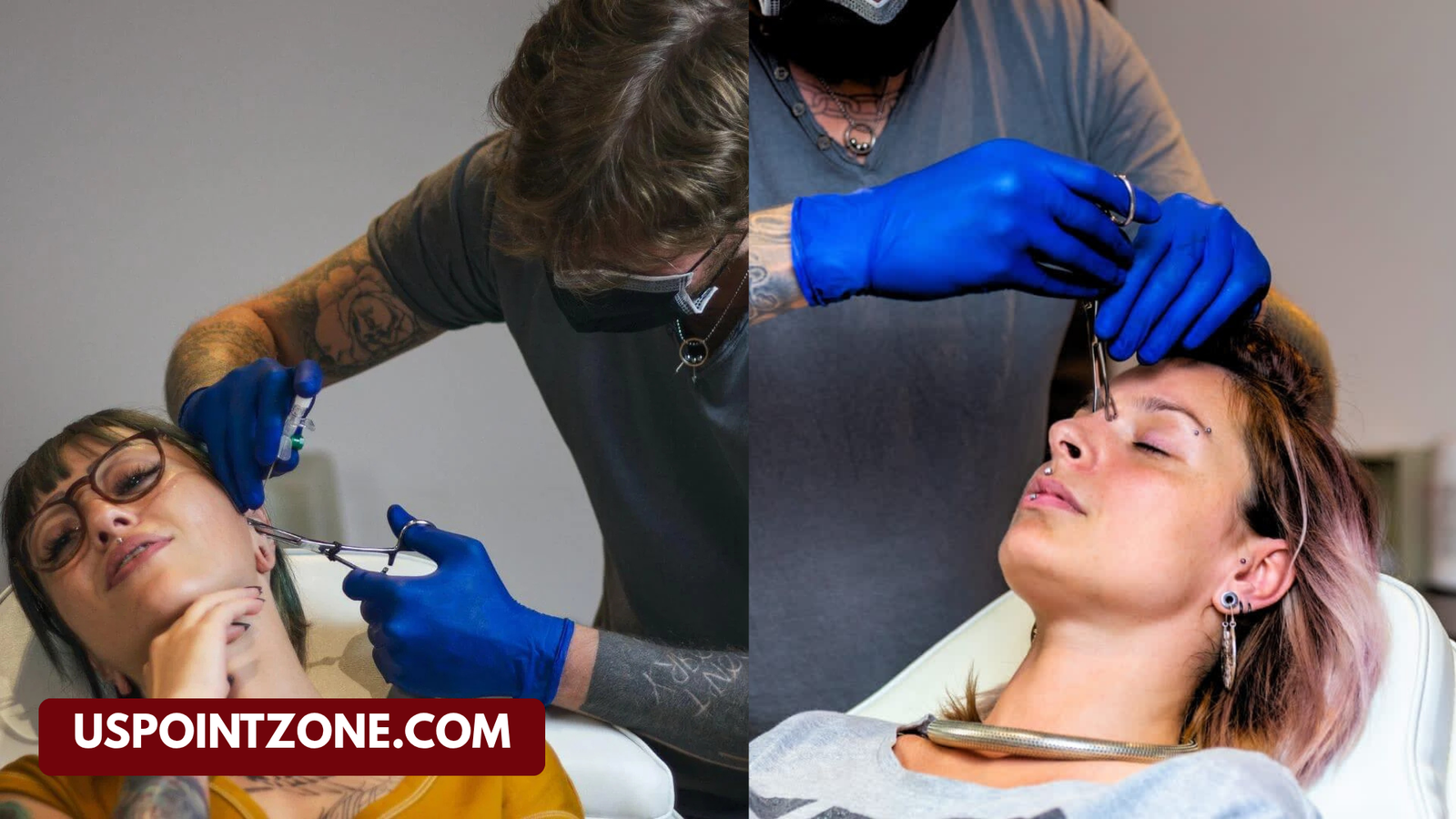
A lobotomy piercing is not a medical procedure and has nothing to do with brain surgery. The name can sound scary, but in body modification culture, it usually refers to extreme facial dermal piercings placed near the temples or upper face area. These piercings are chosen for their bold and unusual appearance, often seen in alternative fashion or extreme body art communities. Because of its dramatic name, many people misunderstand it or confuse it with something medical, but it is purely a cosmetic body piercing style.
The term “lobotomy piercing” is more of a slang or internet name rather than an official piercing category. Professional piercers may instead call it temple dermal piercing or surface facial piercing, depending on placement. The idea behind the name comes from the edgy aesthetic associated with extreme modifications. However, experienced piercers usually avoid the term because it can create confusion or fear among beginners.
| Common Name | Professional Term | Description |
|---|---|---|
| Lobotomy piercing | Temple dermal piercing | Small dermal anchors placed near temples |
| Surface lobotomy style | Surface facial piercing | Flat jewelry under the skin surface |
| Extreme facial piercing | Dermal implant piercing | General category of skin-based piercings |
This type of piercing is mainly about visual expression and personal style, not medical meaning. People choose it to look different, artistic, or bold. However, because it is placed on sensitive facial areas, it requires a skilled and experienced piercer for safety.
When you are ready, tell me “continue” and I will move to the next section: Origins, Trends & Popularity of Lobotomy Piercing.
Origins, Trends & Popularity of Lobotomy Piercing
The lobotomy piercing did not start from a medical or traditional cultural background. Instead, it grew from modern body modification communities where people experiment with unusual and expressive forms of self-decoration. Over time, piercers and enthusiasts began using bold names like “lobotomy piercing” to describe temple or surface dermal piercings that sit on the upper face.
This style became more known through underground fashion scenes, tattoo culture, and later social media. Platforms like Instagram and TikTok helped spread images of extreme facial piercings, making them look artistic and trendy rather than shocking. Still, it remains a niche style and is not common in everyday life.
The popularity of lobotomy piercing is mostly linked to self-expression, identity, and alternative fashion. People who choose it often want something that stands out and feels different from standard ear or nose piercings. However, professionals note that trends like this rise quickly online but can also fade just as fast, depending on fashion cycles.
Types, Styles & Placement Options for Lobotomy Piercing
A lobotomy piercing is not one fixed design. It can look different depending on where it is placed on the face. Most commonly, it involves dermal anchors placed near the temples or upper cheeks, creating a symmetrical or artistic pattern. Some people choose one side only, while others go for balanced designs on both sides of the face.
The style depends heavily on anatomy. Not every face shape or skin type is suitable for dermal piercings in this area. The skin must be thick enough to hold the anchor, but not too tight, or it may increase rejection risk. That is why professional piercers always examine the area carefully before proceeding.
Jewelry also changes the look completely. Flat-top dermals give a minimal look, while decorative tops with stones create a more dramatic appearance. Titanium is usually preferred because it is safer for healing and reduces allergic reactions.
| Placement Type | Appearance Style | Difficulty | Risk Level |
|---|---|---|---|
| Temple dermal | Subtle or symmetrical | Medium | Medium |
| Forehead surface | Bold and visible | High | High |
| Cheek upper area | Decorative clusters | Medium | Medium |
The placement choice is not just about looks—it directly affects healing and long-term success. Even small mistakes in placement can lead to migration or rejection, which is why experience matters more than design ideas in this piercing style.
Procedure Overview (What Actually Happens)
A lobotomy piercing is always done in a professional studio under strict hygiene conditions. Before anything begins, the piercer checks your skin, medical history, and suitability for dermal anchors. This step is very important because facial skin reacts differently from other body areas.
During the procedure, the area is cleaned and marked carefully. Then a small opening is made in the skin where a tiny anchor is placed under the surface. The jewelry is attached to this anchor, creating a “floating gem” effect on the skin. The process is quick, but precision is extremely important.
After the piercing is done, the skin may feel tight or slightly swollen. This is normal and usually settles in a few days. However, improper placement or poor hygiene during the procedure can lead to long-term complications, which is why professional skill is essential.
Pain, Healing Time & Aftercare
The pain level of a lobotomy piercing is usually described as moderate to high, depending on your sensitivity and placement area. The temple region has thin skin, so the sensation can feel sharp for a short moment, followed by soreness. However, the procedure itself is very fast, which helps reduce overall discomfort.
Healing takes time and patience. On average, a lobotomy dermal piercing can take 6 to 12 weeks to heal on the surface, but full internal settling may take longer. During this period, the skin adjusts to the implant and forms stable tissue around it.
Aftercare is the most important part. Keeping the area clean and avoiding unnecessary touching helps prevent infection. Makeup, heavy pressure, or sleeping on the piercing can slow healing or cause rejection.
| Stage | Time Period | What Happens |
|---|---|---|
| Initial healing | 1–2 weeks | Swelling, redness |
| Mid healing | 3–6 weeks | Skin starts settling |
| Full healing | 6–12 weeks+ | Stabilization of dermal anchor |
A simple rule is: the less you disturb it, the better it heals. Many problems occur not because of the procedure, but because of poor aftercare habits afterward.
Risks, Side Effects & Safety Concerns
Like all dermal piercings, lobotomy piercings carry certain risks. The most common issue is rejection, where the body slowly pushes the jewelry out. This happens more often in surface piercings because they are closer to the skin layer.
Infection is another risk, especially if aftercare is not followed properly. Facial areas are exposed to dust, sweat, and makeup, which can increase the chance of irritation. Scarring is also possible if the piercing is removed or rejected.
In rare cases, improper placement can damage skin layers or cause long-term marks. This is why choosing an experienced piercer is not optional—it is necessary for safety.
Cost, Maintenance & Choosing a Piercer
The cost of a lobotomy piercing depends on location, studio reputation, and jewelry type. On average, it can range from $50 to $150 per dermal point, and more if premium jewelry is used.
Maintenance is ongoing. Even after healing, you must keep the area clean and occasionally check the jewelry for stability. Over time, dermal tops may need tightening or replacement.
Choosing the right piercer is the most important decision. A good professional will:
- Use sterilized tools
- Show previous work
- Explain risks clearly
- Refuse unsafe placements
Cheap piercing services often skip safety steps, which increases risk significantly
FAQs About Lobotomy Piercing
A lobotomy piercing is a type of facial dermal piercing placed near the temple or upper face area. It is not a medical procedure and has no relation to brain surgery. People usually get it for aesthetic and fashion reasons. The pain is moderate, but healing requires care for several weeks. Risks include infection, rejection, and scarring if not done properly. It is important to go to a trained piercer because facial skin is sensitive. With proper aftercare, it can heal well and remain stable, but not everyone’s skin is suitable for this type of piercing.
Read more : Plug Box Linux Minecraft Server Guide: Easy Setup & Optimization Tips