

| Detail | Information |
|---|---|
| Name | Reflecting Pool |
| Category | Architectural and landscape water feature |
| Main Purpose | Creating reflections and visual symmetry |
| Common Locations | Gardens, memorials, parks, and civic spaces |
| Key Design Feature | Still or minimally disturbed water |
| Famous Example | Lincoln Memorial Reflecting Pool |
| Historical Influence | Ancient formal gardens and monumental landscapes |
| Modern Role | Architecture, tourism, public spaces, and memorial design |
What Is a Reflecting Pool?
A reflecting pool is a shallow water feature. Its surface is designed to remain calm.
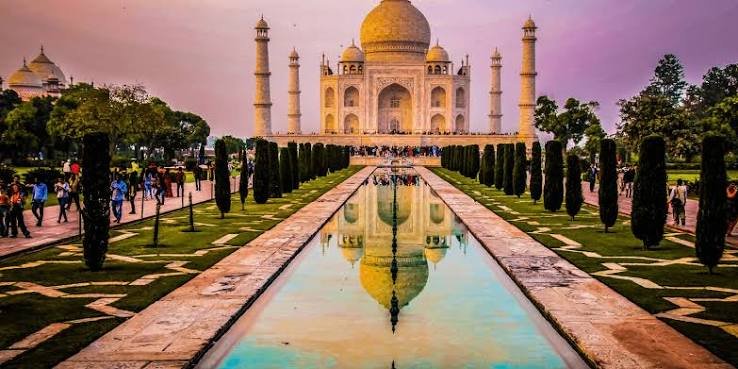
The still water reflects nearby buildings, trees, monuments, and skies. This creates a mirror-like visual effect. The feature can transform ordinary architecture into a more dramatic landscape.
Unlike many fountains, reflecting pools avoid strong water movement. Large jets would break the reflected image. Calmness is therefore part of the design.
Reflecting pools appear in several settings:
- Memorials and monuments
- Public parks
- Historic gardens
- Palaces and estates
- Religious spaces
- Modern architectural projects
The concept is simple. However, its visual impact can be extraordinary.
The History Behind Reflecting Pools
Reflecting water has influenced landscape design for centuries. Formal gardens often used water to create balance and symmetry.
Historical garden traditions understood an important visual principle. Water can visually double the surrounding landscape.
A building may appear taller through reflection. A garden may also appear deeper and wider. The sky becomes part of the architectural composition.
The idea later became especially important in formal landscape design. Architects used long water basins to create visual axes. These axes directed the visitor’s eyes toward important structures.
The reflecting pool therefore serves two purposes. It is both a water feature and a visual tool.
How a Reflecting Pool Creates Its Mirror Effect
Still Water Matters Most
A successful reflecting pool needs relatively calm water. Wind, fountains, and heavy movement can distort reflections.
The pool’s shallow design also helps control its appearance. Designers carefully consider depth, shape, and surrounding surfaces.
The reflected image constantly changes with conditions.
Clouds can create dramatic patterns. Morning light produces softer reflections. Night lighting can transform the entire scene.
This makes a reflecting pool visually dynamic without mechanical movement.
Symmetry Creates Stronger Images
Reflecting pools often sit on important architectural axes.
A monument may stand at one end. Another landmark may appear at the opposite end. The water connects both visually.
This creates a carefully controlled perspective. Visitors naturally look along the pool’s length.
That relationship between water and architecture is often intentional.
The Lincoln Memorial Reflecting Pool
The Lincoln Memorial Reflecting Pool is arguably America’s most recognizable example.
It sits within the National Mall landscape in Washington, D.C. The pool creates a visual connection between the Lincoln Memorial and the Washington Monument.
The National Park Service describes the pool as a major feature of the Lincoln Memorial landscape. It also notes that the pool was not completed for the memorial’s 1922 dedication but later became one of Washington’s most recognizable locations.
Key Facts About the Lincoln Memorial Reflecting Pool
| Feature | Detail |
|---|---|
| Location | National Mall, Washington, D.C. |
| Length | About 2,028 feet |
| Water Capacity | Nearly 6.75 million gallons |
| Main Visual Purpose | Reflecting monuments and maintaining the historic vista |
| Surroundings | Elm walks and pedestrian routes |
| Major Reflections | Washington Monument and Lincoln Memorial |
According to the National Park Service, the basin helps maintain both physical and visual connections across this important landscape. It contains nearly 6.75 million gallons of water.
The National Register documentation also reveals an overlooked design story. The reflecting pool developed through contributions associated with Charles F. McKim, Frederick Law Olmsted Jr., and Lincoln Memorial architect Henry Bacon. Excavation began in 1919, while construction concluded by 1924.
This makes the pool more than a decorative landmark. It represents coordinated planning between architecture and landscape design.
Why Reflecting Pools Matter at Memorials
A reflecting pool can encourage quiet observation. Its still surface creates a slower visual experience.
This quality suits memorial spaces particularly well.
Water also changes how visitors experience monuments. A large structure may feel more distant and formal without water. Reflection adds depth and visual symbolism.
There is also an important connection between reflection and memory.
A memorial asks visitors to remember. A reflecting pool literally asks visitors to look again.
That connection is partly symbolic. Yet it explains why these water features work so effectively in commemorative landscapes.
The Lincoln Memorial Reflecting Pool, for example, forms part of a wider historic setting associated with national memory, civic gatherings, and public events. The Lincoln Memorial grounds became the setting for major moments, including Martin Luther King Jr.’s 1963 March on Washington speech.
Reflecting Pools in Modern Architecture
Modern architects still use reflecting pools extensively.
However, contemporary designs often differ from historic pools. Traditional pools may emphasize monuments and symmetry. Modern examples can emphasize minimalism and atmosphere.
A modern reflecting pool may surround a building. It may also sit beside glass walls or stone structures.
The goal remains similar.
The water visually extends the architecture.
Modern designs also create interesting contrasts:
- Solid stone beside moving clouds
- Large buildings beside shallow water
- Sharp architecture beside natural reflections
- Permanent structures beside changing skies
This contrast explains their continuing popularity.
The Engineering Behind a Calm Surface
Reflecting pools look simple from above. Their engineering can be surprisingly complex.
Large pools require water circulation systems. Designers must also manage cleaning and structural maintenance.
Leaks can become serious problems. Water quality also requires constant attention.
The Lincoln Memorial Reflecting Pool has undergone major rehabilitation work. National Park Service documentation describes reconstruction and later maintenance efforts to protect the basin and surrounding landscape.
More recently, the National Park Service announced restoration-related access restrictions during 2026. The work involved cleaning, repairing joints, and installing lining material. A public notice dated August 6, 2026, said restrictions were scheduled to continue through September 10, 2026, subject to restoration needs.
This modern maintenance story is important. Famous landscapes require continuous care.
A reflecting pool’s beauty depends partly on invisible infrastructure.
Why Reflecting Pools Remain Popular
The reflecting pool remains powerful because it combines simplicity with scale.
It does not require elaborate decoration. The surroundings become the decoration.
A single pool can reflect:
- Historic monuments
- Modern buildings
- Trees and gardens
- Clouds and changing weather
- Sunlight and artificial lighting
Every reflection depends on the viewer’s position.
That creates a changing experience without changing the structure itself.
The Lasting Appeal of the Reflecting Pool
The greatest strength of a reflecting pool is restraint.
It does not compete with architecture. Instead, it amplifies what already exists.
A monument becomes visually larger. A skyline becomes more dramatic. A garden gains additional depth.
The Lincoln Memorial Reflecting Pool demonstrates this principle perfectly. Its water is part of a larger visual composition connecting major landmarks across Washington’s National Mall.
That is why reflecting pools continue to appear worldwide.
They are simple in construction concept. Yet they can create memorable spaces.
In the right location, still water becomes architecture’s second image.