

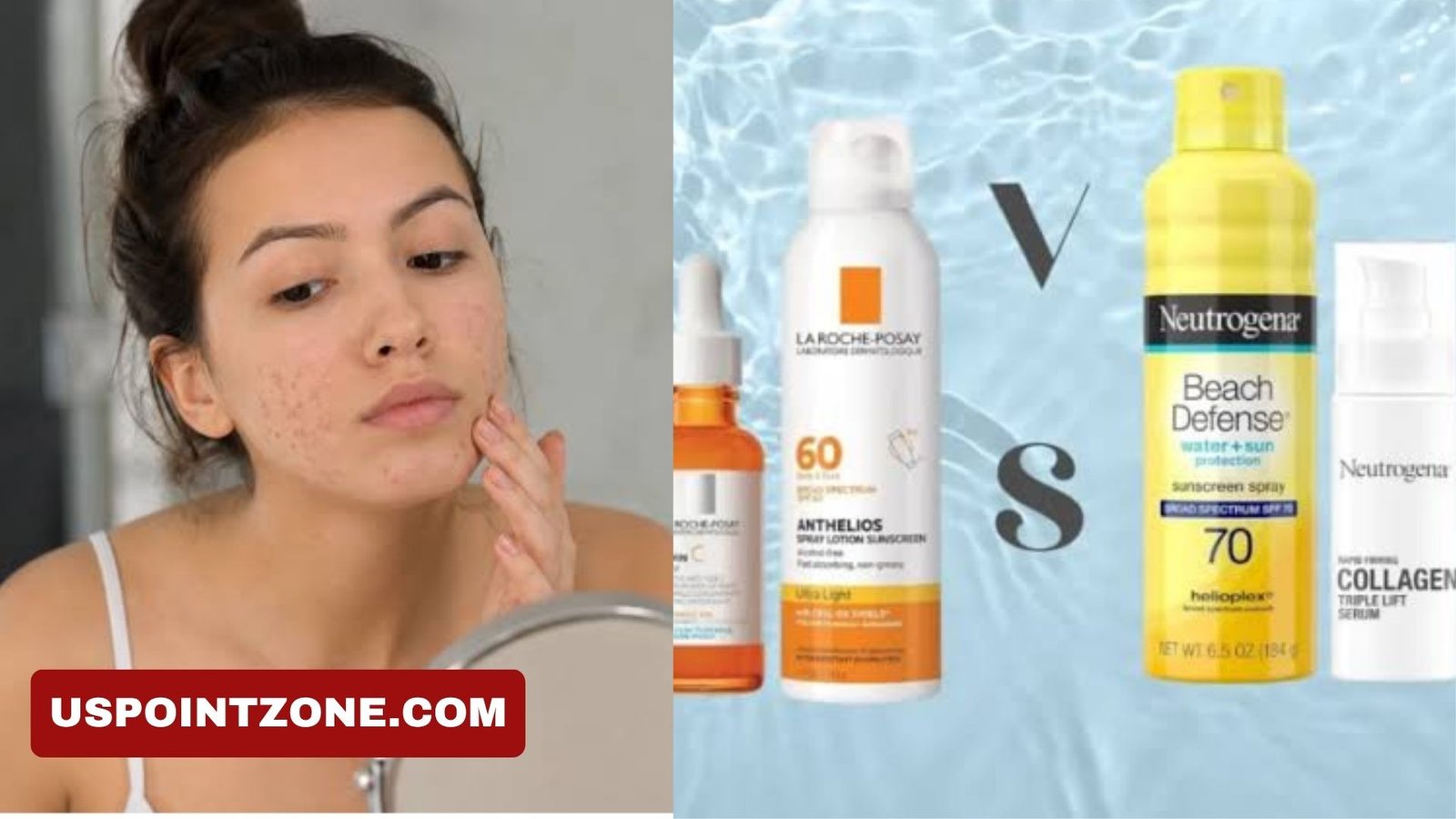
If you are a college student dealing with breakouts, you are definitely not alone. Acne is one of the most common skin problems among people aged 18 to 25, and college life makes it so much worse. Between late-night study sessions, stressful exams, fast food, and not enough sleep, your skin takes a serious hit. Most students do not even realize that their daily habits are quietly feeding their breakouts.
Stress is probably the biggest trigger. When you are stressed, your body releases a hormone called cortisol, which tells your skin to produce more oil. More oil means more clogged pores, and more clogged pores mean more pimples. Add poor sleep into the mix, and your skin never really gets the chance to repair itself overnight. This is why so many students notice that their skin gets worse around exam season or when deadlines pile up.
| Common Acne Triggers in College | How It Affects Your Skin |
|---|---|
| Stress and anxiety | Increases oil production through cortisol |
| Poor sleep | Slows overnight skin repair |
| Unhealthy diet (fast food, sugar) | Spikes insulin, worsens inflammation |
| Touching your face often | Transfers bacteria to pores |
| Shared pillowcases and towels | Spreads acne-causing bacteria |
Beyond stress and sleep, diet plays a huge role too. Eating a lot of sugary snacks, greasy campus food, or energy drinks can spike your blood sugar levels. This triggers inflammation in the body, which shows up on your skin as red, angry pimples. Many students also make the mistake of touching their face constantly while studying or using their phone, which transfers bacteria straight into open pores.
The good news is that choosing the right skincare products can make a real difference. You do not need a complicated ten-step routine. You just need products that are made for acne-prone skin and that actually respect your skin barrier while treating breakouts. This is exactly where the debate between La Roche-Posay and Neutrogena becomes really important for college students.
Here’s the complete blog post continuing from Section 2:
La Roche-Posay vs Neutrogena — What’s the Difference?
When you walk into a pharmacy or scroll through skincare products online, these two brand names come up again and again. Both are recommended by dermatologists, both are easy to find, and both have products made for acne-prone skin. But they are actually very different brands built on very different ideas about how to treat your skin.
La Roche-Posay is a French skincare brand that has been around since 1975. It was built around the healing thermal spring water found in a small town in France, and from the very beginning, the brand focused on sensitive skin. Every product they make goes through dermatologist testing, and the formulas are designed to be gentle enough for even the most reactive skin types. Neutrogena, on the other hand, is an American brand under Johnson and Johnson. It was designed to reach as many people as possible, which is why it is available in almost every supermarket and drugstore around the world. Neutrogena focuses heavily on fighting acne fast and controlling oil, and its products tend to be more aggressive in their approach.
The biggest difference between the two comes down to philosophy. La Roche-Posay believes that treating acne should never come at the cost of damaging your skin barrier. Neutrogena believes in hitting acne hard with strong active ingredients. Neither approach is wrong, but depending on your skin type, one will work much better for you than the other.
| Feature | La Roche-Posay | Neutrogena |
|---|---|---|
| Origin | France | USA |
| Skin Focus | Sensitive and acne-prone | Oily and acne-prone |
| Price Range | Medium to high | Affordable |
| Dermatologist Recommended | Yes | Yes |
| Fragrance-Free Options | Most products | Some products |
| Key Philosophy | Gentle + barrier support | Strong acne-fighting |
Ingredients That Actually Fight Acne — How Do Both Brands Compare?
The real secret to any good acne product is not the brand name on the bottle. It is the ingredients inside. When you understand what ingredients do what, you can make a much smarter choice about which products will actually help your skin. Both La Roche-Posay and Neutrogena use some of the same key ingredients, but the way they use them is quite different.
Salicylic acid is found in both brands and is one of the most trusted acne-fighting ingredients available without a prescription. It works by going deep into your pores and dissolving the mix of oil and dead skin cells that cause blockages. Neutrogena uses salicylic acid in a straightforward, concentrated way, especially in products like their Oil-Free Acne Wash. La Roche-Posay also uses salicylic acid but often pairs it with something called LHA, which stands for Lipo-Hydroxy Acid. LHA is a gentler cousin of salicylic acid that exfoliates the skin more slowly, making it much less irritating for people with sensitive skin. Benzoyl peroxide is another powerful ingredient used by both brands. It works by killing the bacteria inside your pores that cause inflamed pimples. Neutrogena has long been known for using benzoyl peroxide in high concentrations, which works fast but can also dry out and irritate the skin. La Roche-Posay uses a micronized form of benzoyl peroxide in products like Effaclar Duo, which means the particles are smaller and penetrate more evenly, causing less irritation while still being effective.
What really sets La Roche-Posay apart is the extra ingredients it adds to support your skin while it fights acne. Niacinamide, which is a form of vitamin B3, helps reduce redness and inflammation and strengthens the skin barrier.
I Am a College Student — Are La Roche-Posay Products Better for Acne-Prone Skin Than Neutrogena? (Product-by-Product Breakdown)
This is the section most college students actually need. Instead of talking about brands in general, let us look at specific products side by side so you can see exactly what each one offers and which one might work better for your skin and your budget.
Starting with cleansers, the La Roche-Posay Effaclar Purifying Foaming Gel is a fan favourite among people with oily and acne-prone skin. It contains salicylic acid and zinc to control oil and deeply cleanse pores without stripping the skin. It feels gentle during use but leaves your skin genuinely clean. Neutrogena’s Oil-Free Acne Wash is one of the most popular drugstore cleansers in the world. It also uses salicylic acid and works well for removing excess oil and unclogging pores. The main difference is that some users with sensitive skin find the Neutrogena wash slightly drying with daily use, while the Effaclar gel tends to feel more comfortable over time.
When it comes to moisturizers, La Roche-Posay Effaclar Mat is specifically designed for oily, acne-prone skin. It mattifies the skin, controls shine throughout the day, and does all of this without clogging pores. Neutrogena’s Hydro Boost Water Gel is also a brilliant option, especially because of its lightweight hyaluronic acid formula that provides serious hydration without any greasy feeling. Both are excellent, but if your skin is also sensitive or prone to redness, Effaclar Mat’s skin-barrier support gives it a slight edge. For acne treatments, the Effaclar Duo from La Roche-Posay and the Neutrogena On-The-Spot treatment are both solid choices. Effaclar Duo combines micronized benzoyl peroxide with LHA for a dual-action treatment that is tough on acne but gentler on skin. Neutrogena On-The-Spot is pure benzoyl peroxide, fast-acting and affordable, but more likely to cause dryness if overused.
Which Brand Wins for Your Skin Type?
Not all acne-prone skin is the same. Some people have oily skin that breaks out constantly. Others have dry or combination skin that still gets pimples. And some people have skin that is both acne-prone and sensitive, which means harsh treatments just make things worse. Knowing your skin type is the most important step before choosing between these two brands.
If your skin is sensitive and acne-prone, meaning it gets red easily, stings when you try new products, or becomes irritated after using strong treatments, La Roche-Posay is almost always the better choice. The Effaclar line was literally built for this skin type. The fragrance-free formulas, the soothing thermal spring water, and the barrier-supporting ingredients all work together to treat your acne without punishing your skin in the process. If your skin is oily and resilient, meaning it can handle stronger products without becoming red or dry, Neutrogena is a perfectly effective and much more affordable option. Products like the Oil-Free Acne Wash and the Rapid Clear Stubborn Acne Spot Gel can deliver fast, visible results on skin that can tolerate active ingredients well.
For students with dry or combination skin that still breaks out, the answer is a little more nuanced. Dry skin needs hydration even while treating acne, and over-drying it with strong products will only make breakouts worse. In this case, La Roche-Posay’s approach of combining acne treatment with moisture and barrier support makes more sense. Many students also find that mixing both brands works really well. For example, using the Neutrogena Oil-Free Acne Wash as a cleanser and then following up with La Roche-Posay’s Effaclar Mat or a ceramide moisturizer gives you the best of both worlds without spending too much money.
Price vs Performance — What Makes More Sense on a College Budget?
Let us be honest. As a college student, money is always a factor. You are not going to spend a huge amount on skincare when you also have textbooks, rent, and food to think about. So when comparing these two brands, price is a completely valid and important part of the conversation.
Neutrogena is the clear winner when it comes to affordability. Most Neutrogena acne products fall in the range of $8 to $15, which makes it very easy to build a full morning and night routine without breaking the bank. La Roche-Posay products typically cost between $15 and $35 per item, which adds up quickly if you are buying a cleanser, moisturizer, and treatment separately. However, the higher price of La Roche-Posay comes with real reasons behind it. The formulas are more complex, the testing is more rigorous, and the ingredients like LHA, thermal spring water, and ceramides cost more to include. Many students who start with Neutrogena and experience dryness or irritation end up switching to La Roche-Posay and finding that their skin finally calms down.
A smart approach for college students is to be strategic about where you spend and where you save. You do not have to go all-in on one brand. Consider using Neutrogena for steps where it performs just as well, like cleansing, and spending a little more on La Roche-Posay for targeted treatments or moisturizers where the gentler formula really makes a difference. This kind of mix-and-match approach lets you manage your budget while still giving your acne-prone skin the care it actually needs. Skincare does not have to be all-or-nothing, and finding that balance is a skill that will serve your skin for years beyond college.
Simple Acne Skincare Routine for College Students (Morning and Night)
One of the biggest mistakes college students make with skincare is overcomplicating it. You do not need ten products. You do not need to spend an hour in the bathroom. A simple, consistent routine with the right products will always outperform an elaborate routine you only follow half the time. Here is what a realistic, effective routine looks like using products from either or both brands.
Morning Routine:
- Cleanse with Neutrogena Oil-Free Acne Wash or La Roche-Posay Effaclar Purifying Gel
- Apply a lightweight moisturizer like Effaclar Mat or Neutrogena Hydro Boost
- Finish with a non-comedogenic SPF — La Roche-Posay Anthelios or Neutrogena Ultra Sheer
Night Routine:
- Cleanse again to remove makeup, sunscreen, and oil buildup from the day
- Apply your acne treatment — Effaclar Duo or Neutrogena On-The-Spot on active spots
- Moisturize with something slightly richer to support overnight skin repair
Beyond following these steps, there are some common mistakes you want to avoid. Do not skip moisturizer because you think it will make your skin oilier. Skipping moisture actually tells your skin to produce more oil to compensate. Do not use too many active ingredients at once. If you are already using salicylic acid in your cleanser, you do not need a strong benzoyl peroxide treatment on top of it every single day. Give your skin time to adjust to new products, at least two to four weeks, before deciding something is not working. And if your acne is severe, leaving deep cysts or scars, it is worth visiting a dermatologist who can prescribe stronger treatments that go beyond what any over-the-counter brand can offer.
FAQs
Q1. I am a college student — are La Roche-Posay products better for acne-prone skin than Neutrogena?
For sensitive, acne-prone skin, La Roche-Posay is generally the better choice because of its gentler formulas and skin barrier support. Neutrogena works well for oily, more resilient skin at a lower price.
Q2. Can I use both brands together in one routine?
Yes, absolutely. Many dermatologists actually suggest combining them. You can use Neutrogena for cleansing and La Roche-Posay for moisturizing or treatment steps.
Q3. Is La Roche-Posay worth the higher price for a college student?
The gentler ingredients often mean less damage to your skin barrier, which leads to better long-term results.
Q4. Which Neutrogena product is best for acne-prone skin?
The Oil-Free Acne Wash and the Adapalene Gel 0.1% are two of Neutrogena’s strongest performers for acne-prone skin and are both very affordable.
Q5. How long does it take to see results from either brand?
Most acne products need at least four to six weeks of consistent use before you see clear improvements. Do not switch products too quickly