

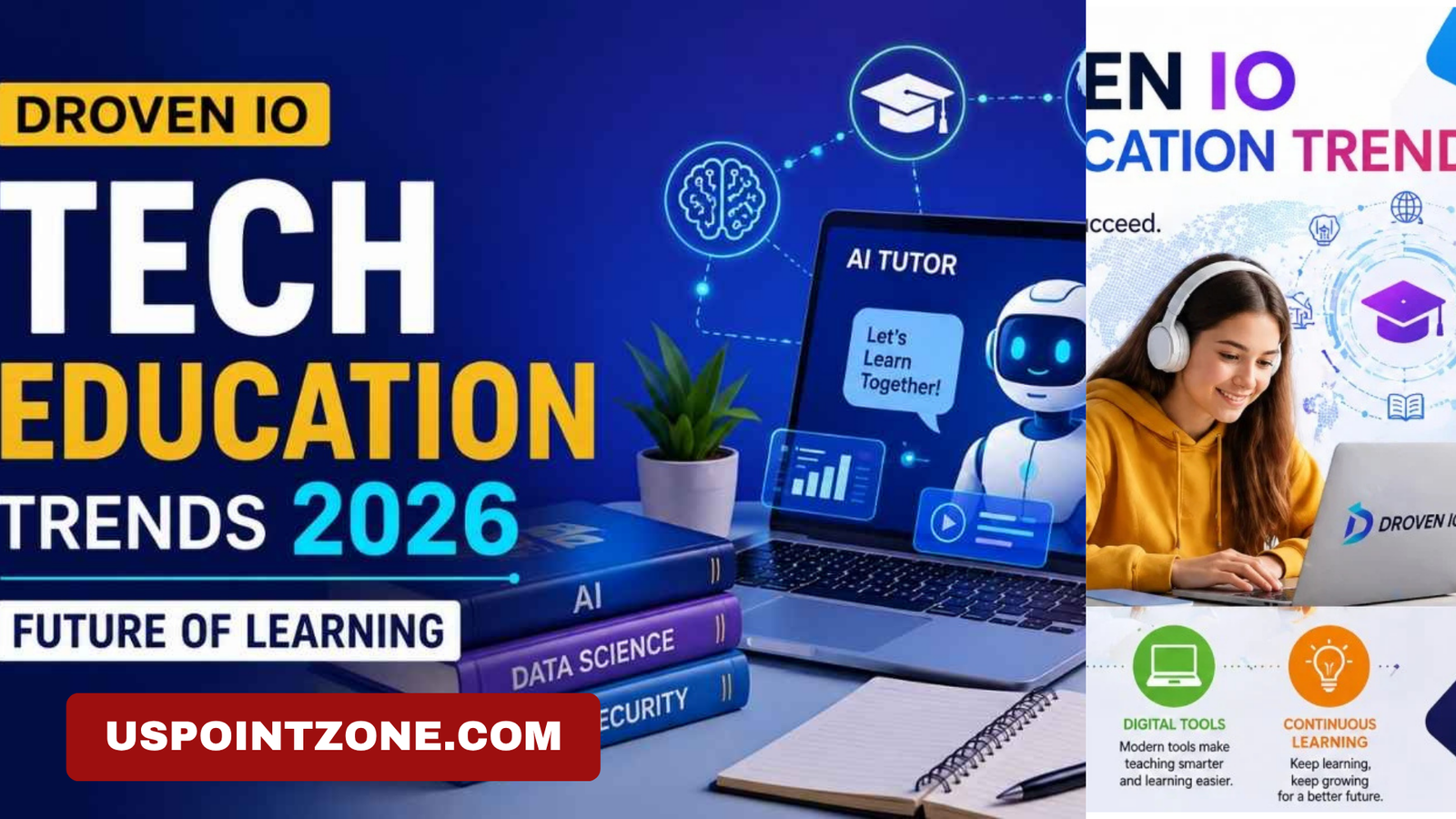
In recent years, droven io tech education trends have become a major topic for students, educators, and professionals alike. These trends are not just about gadgets or apps; they reflect how learning itself is changing in a world increasingly powered by technology. From artificial intelligence to immersive virtual classrooms, the way knowledge is shared, absorbed, and applied is evolving at an incredible speed. Understanding these trends helps learners prepare for jobs that might not even exist today, and it equips teachers with tools to deliver lessons that are engaging, effective, and relevant.
The rise of droven io tech education trends is closely tied to real-world needs. Employers now look for candidates who can navigate complex digital tools, adapt to fast-changing technologies, and continuously update their skills. Meanwhile, students are seeking more flexible, interactive, and personalized learning experiences. These trends are reshaping traditional education and making tech-based learning a central part of academic and professional growth. Recognizing and embracing these trends ensures that learners and institutions remain competitive and future-ready.
What Are Droven IO Tech Education Trends?
Understanding droven io tech education trends begins with recognizing how learning has transformed. Over the last decade, education has moved beyond the traditional classroom model into a hybrid of physical and digital experiences. Students can now access interactive lessons on laptops, tablets, and even smartphones, giving them the freedom to learn anytime, anywhere. This shift is powered by advanced platforms and tools that personalize learning paths, making content relevant to each learner’s pace and style. Trends like AI tutors, gamified lessons, and virtual labs are not just experimental—they are becoming central to modern education.
These trends matter because they shape the skills students acquire and how effectively they learn. Traditional one-size-fits-all teaching methods often fail to address the diverse needs of learners, but droven io tech education trends bring flexibility, efficiency, and engagement into the mix. They highlight which technologies and methods are gaining traction, such as immersive simulations, real-time analytics, and skill-first training approaches. For educators and institutions, understanding these trends helps design curriculum and experiences that align with workforce demands, student preferences, and future learning landscapes.
Key Drivers Behind Droven IO Tech Education Trends
Several key forces are driving droven io tech education trends. Artificial intelligence and machine learning are major catalysts, enabling adaptive learning systems that respond to each student’s strengths and weaknesses. Platforms powered by AI can suggest study plans, offer instant feedback, and even predict which topics a learner may struggle with. This personalized guidance is transforming the learning experience, making it more efficient and tailored.
Another significant driver is the demand from employers and industry. Companies seek candidates who are not just knowledgeable but digitally fluent and adaptable. This push has influenced educational content, with more emphasis on skills over traditional degrees, micro-credentials, and competency-based assessments. Additionally, online and hybrid learning models make education accessible to a wider audience, including professionals upskilling mid-career. Together, these factors create a learning ecosystem that is fast-paced, tech-driven, and learner-focused.
Top Droven IO Tech Education Trends to Watch in 2026
The following trends define the future of learning and exemplify droven io tech education trends:
- AI-Powered Personalized Learning – Adaptive systems help students progress at their own pace. Lessons adjust automatically based on performance, ensuring every student receives targeted support.
- Immersive and Interactive Technologies (VR, AR, XR) – Virtual and augmented reality tools offer realistic simulations for complex concepts, from engineering labs to medical training, enhancing retention and engagement.
- Microlearning & Bite-Sized Content – Learning modules broken into short, focused lessons improve retention, save time, and allow learners to fit education into busy schedules.
- Skills-First & Competency-Based Education – Focus shifts from degrees to what learners can actually do. Micro-certifications, portfolios, and project-based learning emphasize measurable skills.
- Data-Driven Insights & Analytics – Learning analytics track student progress, engagement, and outcomes. Institutions can intervene early and optimize curriculum effectiveness.
| Trend | Benefit |
|---|---|
| AI-Personalized Learning | Tailored instruction for faster learning |
| VR/AR Immersive Tools | Increased engagement and hands-on practice |
| Microlearning | Improved retention and flexible scheduling |
| Skills-First Education | Career-ready competencies over theory |
| Learning Analytics | Data-backed insights for educators |
These trends reflect the most impactful developments in tech education for 2026, making learning more interactive, skill-oriented, and measurable than ever.
How Droven IO Tech Education Trends Are Impacting Learners
For students, droven io tech education trends bring unprecedented flexibility and choice. Learning is no longer restricted by location or rigid schedules. Students can access lessons at home, use interactive simulations, and receive personalized guidance. The integration of AI-driven tutoring and analytics ensures that learners are supported throughout their journey, identifying strengths and weaknesses in real time.
However, these trends also present challenges. Not all learners have equal access to high-speed internet or devices capable of supporting immersive technologies. Furthermore, students must adapt to self-directed learning environments, which demand more discipline and motivation. Despite these hurdles, the overall impact is overwhelmingly positive: learners gain modern skills, exposure to advanced tools, and readiness for technology-driven careers.
How Educators Must Adapt to Droven IO Tech Education Trends
Educators and institutions play a critical role in embracing droven io tech education trends. Teachers must develop skills in new digital tools, from AI-powered platforms to virtual labs, ensuring they can guide learners effectively. Professional development programs focused on tech integration are increasingly essential for preparing educators for modern classrooms.
Curriculum design also needs updating. Institutions must focus on practical, skills-first education, integrating digital literacy, problem-solving, and critical thinking into core subjects. Technology should not replace human interaction but complement it, providing richer learning experiences while maintaining personal guidance and mentorship. Educators who adapt effectively can create environments that prepare students for the rapidly evolving job market.
Future Predictions for Droven IO Tech Education Trends
Looking ahead, droven io tech education trends will continue to evolve. Lifelong learning and continuous upskilling will become standard as professionals regularly update their skills in response to industry changes. Blockchain-based credentialing may allow learners to securely store and share verified skills globally, enhancing portability and recognition.
Soft skills will also remain essential. While technology drives learning efficiency, collaboration, emotional intelligence, and creativity will complement digital proficiency. The integration of AI, VR, and data analytics will create highly interactive, personalized, and competency-driven learning landscapes for learners of all ages.
FAQs About Droven IO Tech Education Trends
- What are droven io tech education trends?
They are current and emerging patterns in technology-driven education, including AI, VR, online learning, and skills-based instruction shaping how students learn. - How is AI transforming learning?
AI enables adaptive, personalized lessons, automated feedback, and predictive analytics, helping learners progress efficiently and educators intervene when needed. - Are online degrees valuable?
Yes, when offered by reputable institutions and paired with practical, skill-based projects, online programs can provide equivalent recognition and employment opportunities. - What skills will be important in the next decade?
Digital literacy, AI familiarity, critical thinking, collaboration, and problem-solving skills will be in high demand across industries. - How can students prepare for tech-driven careers?
By embracing online learning, micro-credentials, coding, data analysis, and AI-powered tools, and staying updated with droven io tech education trends.
Read more :Zuhio Keyword Count Checker: Boost Your SEO with Smart Keyword Analysis